
★★★★★
Nice, thank you 🙏🏼
Theravāda Buddhism · Pali Canon · ~5th c. BCE
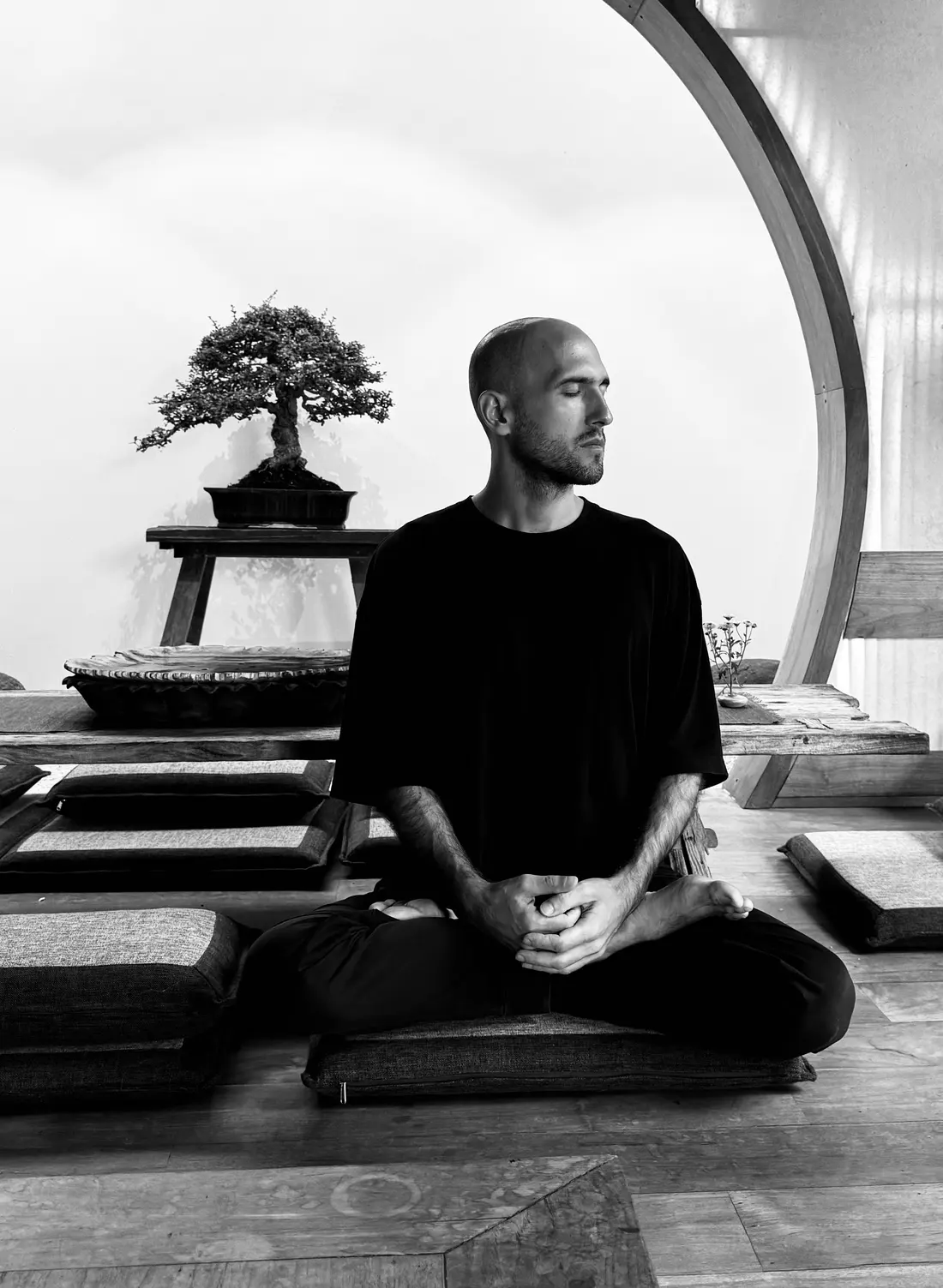
Vipassana meditation at home, Part 1: five days of ānāpānasati, mindful breathing, with two guided sittings a day.
Open the course playerHow it works
Yours with an account — given by donation

 Parts 2–5 continue on vipassana.life
Listen free · no account
Listen free · no account
Hear how the course begins
The first three tracks of every course are open to anyone. Sign in with a free account and this whole course opens, the guided sittings too, given by donation.
What you practise
You practise ānāpānasati for five days, on the footing of the Five Moral Precepts.
You keep your attention on natural breathing and come back whenever you notice you've been thinking.
You sit for about fifteen minutes in the morning and again in the evening.
You commit to the Five Moral Precepts before the first sitting, as on a retreat.
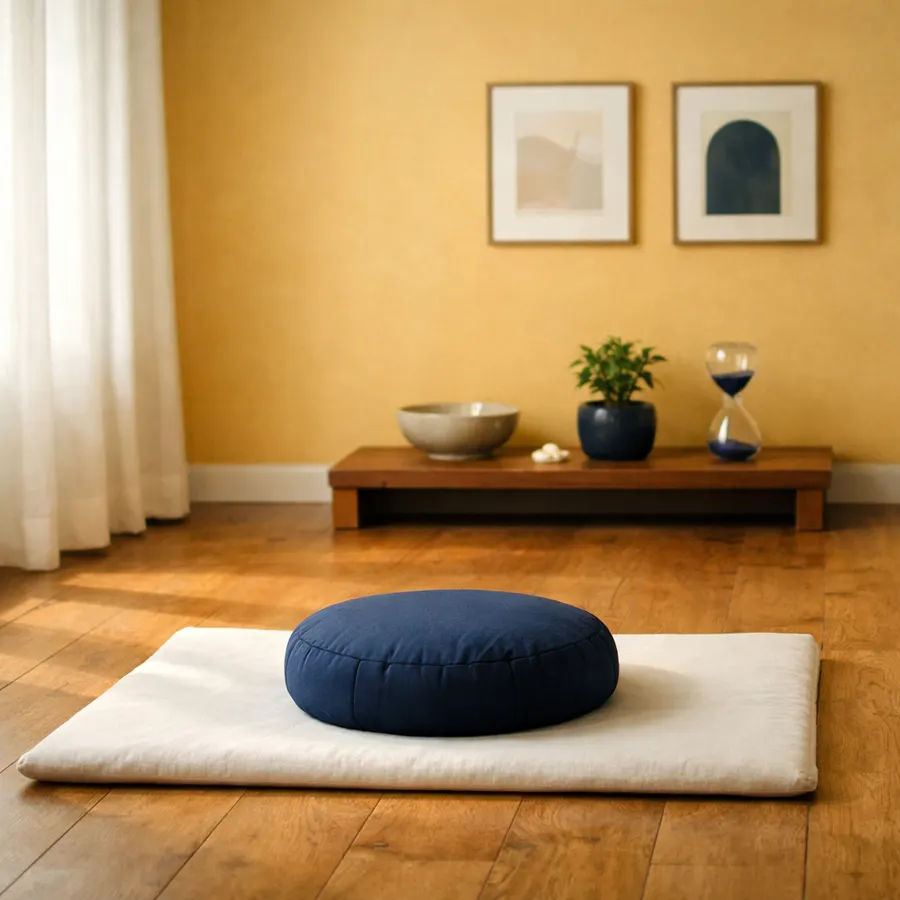
Inside the course
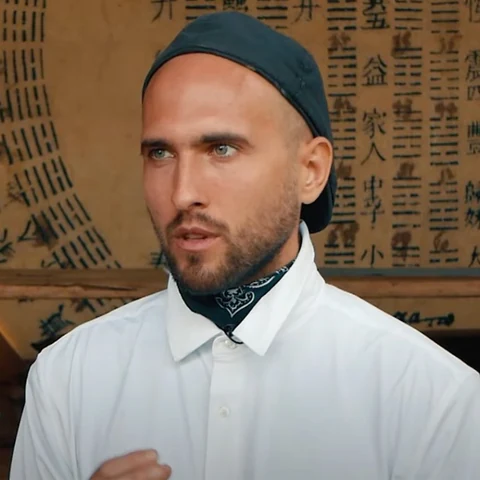
Why I made this course
In 2012 I was twenty, with a comfortable life in Barcelona and an emptiness I couldn't explain. A few days after hearing a lecture about the technique, I was sitting my first ten-day course at Dhamma Neru.
I made the home course for people who live at a city's pace and can't get away to a retreat every year. I'm informed by retreat practice in the traditions of S.N. Goenka and Pa-Auk Sayadaw, and authorised by neither. How I found Vipassana.
How it works
From people who sat it
Rated4.561 ratings from people who took this course
★★★★★
Nice, thank you 🙏🏼
★★★★☆
Doing this course has given more greater insight and has helped my practice.
★★★★★
Calming 🙏🏻
The course in detail
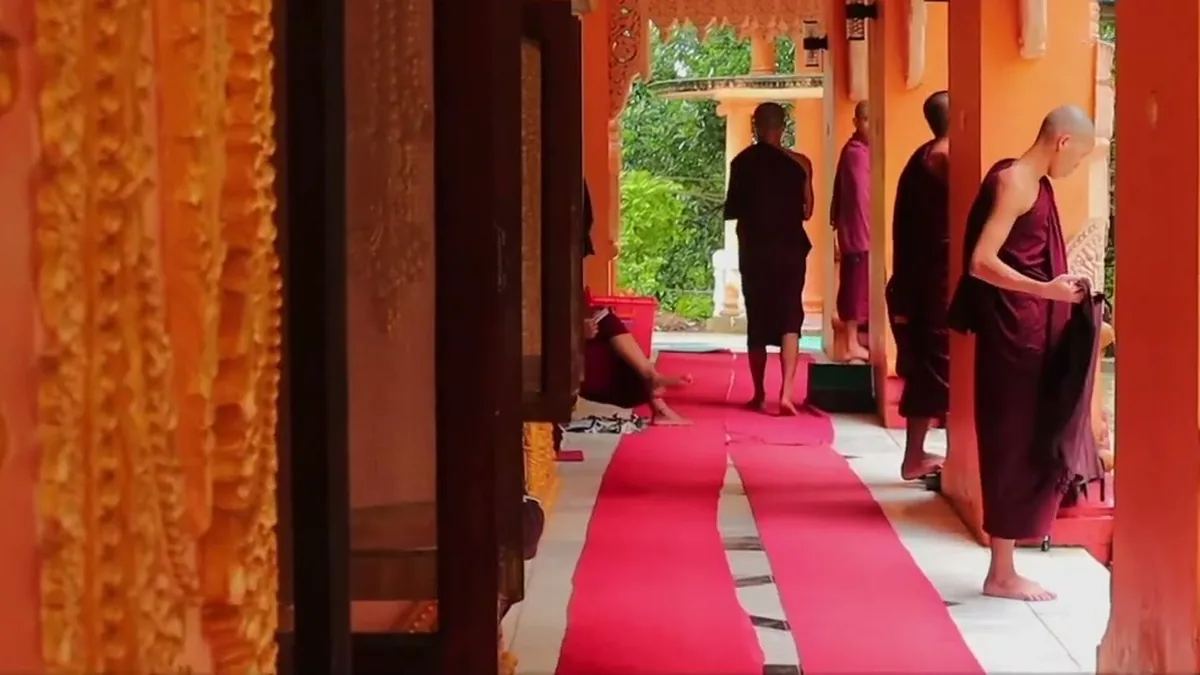 Vipassana · 7 min readVipassana retreat or home practice: what you get from each
 Vipassana · 6 min readWhy spend the first thirty days of meditation on the breath alone?
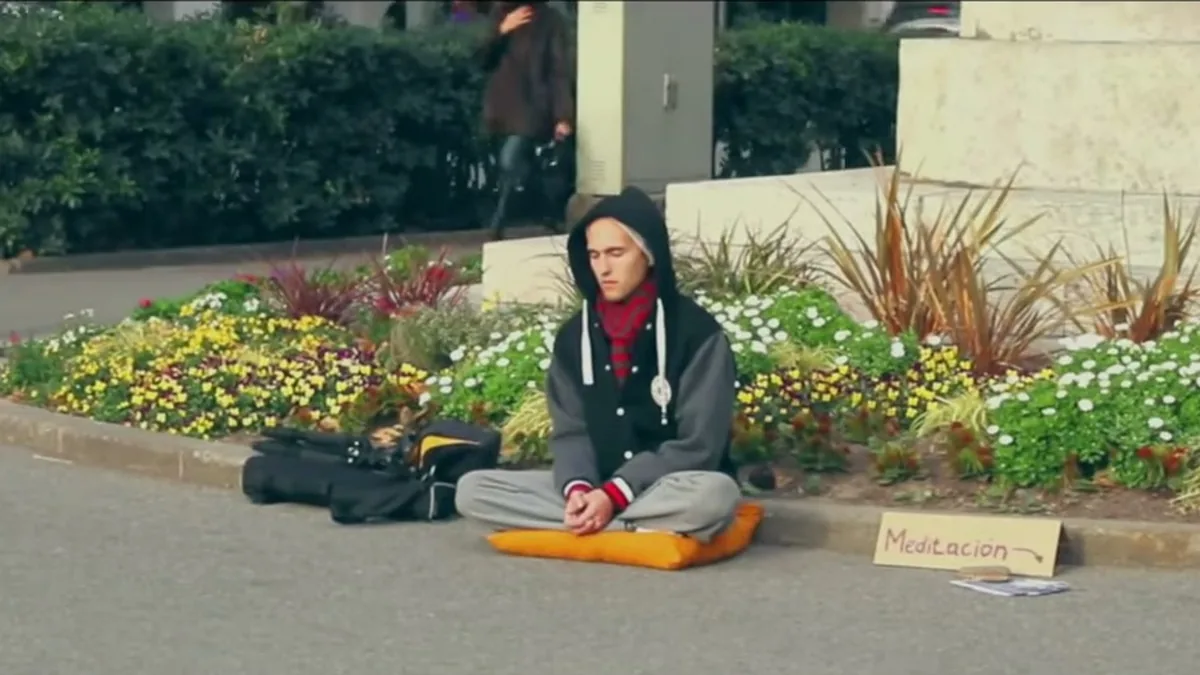 Vipassana · 6 min readHow I found Vipassana
 Vipassana · 5 min readWhat meditation can and can't do for anxiety and panic
 Vipassana · 5 min readWhat are you really training when you meditate?
 Vipassana · 5 min readWhy shouldn't you tell anyone you've started meditating?
Each page says where the practice comes from, why it exists and how to begin it, and how it relates to this course.
Part 1 of a 4-part Vipassana Meditation Technique mini-course: a 5-day introductory programme for beginners that covers ethical grounding (Sila) and mindful breathing (Anapanasati).
For beginners: busy people, people not ready for a 10-day retreat, and alumni who want to deepen their practice.
Five days, 10 guided sittings and 5 h 26 min of audio in all. Each day has two 15-minute guided sessions, morning and evening, and you commit to the Five Moral Precepts before you start.
With a free account the whole course opens, by donation. The first three tracks play with no account.
Ānāpānasati is mindful breathing: you keep your attention on the natural breath and come back to it when you notice you've been thinking. In this course you practise it on an ethical footing, the Five Moral Precepts (Sīla).
You can learn the foundation at home: ānāpānasati and the discipline around it, in two guided sittings a day for five days. For the deep work of Vipassana you still need a retreat and a teacher who can see you.
No. Ocean DYNN is informed by retreat practice in the traditions of S.N. Goenka and Pa-Auk Sayadaw, and authorised by neither. This is a home course he made in ānāpānasati and Sīla, not a course of either organisation.
Two guided sittings a day for five days, and the Five Moral Precepts. Without that commitment the course cannot be started, as on a traditional retreat.
No. The level is Beginner, and Day 0 has talks on what meditation is, on settling and on discipline before the first sitting on Day 1.
Ocean DYNN (Denis Nikulin), the founder of toUnknown, practising since 2012, with more than twenty Vipassana courses and retreats. His first ten-day course was at Dhamma Neru in Spain, in July 2012.
The introduction and the talks on commitment and purpose are open on this page, with no account.
Yours with an account — given by donation.
Every sitting opens only once you have sat the one before it.
No one is turned away for money.
Write and ask